Tell us what must stay on and for how long. We will show the smallest exact station whose published output and capacity fit the plan, with the limits kept visible.
Start with a measured running load and a separate startup check. Compact stations fit phones, routers, laptops, and short low-watt jobs. A 1 kWh station covers a broader essential-load plan. A 2 kWh station buys more energy and output headroom, but it is still not an unlimited whole-home circuit.
For how long?
Use watt-hours divided by measured average watts as a first screen, then allow for inverter loss, duty cycle, temperature, battery age, and reserve. A page estimate is planning math, not a runtime test.
Which exact model fits?
Choose the exact model whose manufacturer-stated continuous output clears the load and whose stated capacity covers the time window after a reserve. Then check the current manual, price, region, charging limits, warranty, returns, and availability before buying.
Pick by load and time
Four checks before a model.
The smallest box is not automatically the right box. Output decides whether the load starts. Capacity decides how long it can run. Recharge and handling decide whether the plan works after the first cycle.
01
Name the load
What needs power?
List each device and use a watt-meter reading or the exact device label where possible.
02
Check the start
Will the station start it?
Compare the largest simultaneous running load and every motor, compressor, heater, or tool startup demand with the exact model limits.
03
Set the time
How many hours or days matter?
Turn the measured average load into watt-hours, then leave room for conversion loss, duty cycle, temperature, and reserve.
04
Choose the model
Which exact station clears both tests?
Pick the smallest published output and capacity that clear the plan, then read the current manual and checkout page before relying on it.
Visible planning math
Required nominal capacity
usable energy need = running_w * runtime_hours
usable_energy_need_wh / 0.85 / (1 - 0.20)
The screen estimates the load energy, allows 15% for conversion loss, and keeps 20% of nominal capacity in reserve. This is planning math, not a runtime test.
Your screen
Complete the inputs to compare models.
Load energy
Not calculated
Capacity target
Not calculated
Automatic matches
0
Manual checks
0
Result rules
How a shortlist result is decided.
Continuous outputreject
Not a match: the entered running watts exceed this model's manufacturer-stated continuous output. Choose a higher-output model or reduce the simultaneous load.
Capacityreject
Not a match: the calculated required nominal capacity exceeds this model's manufacturer-stated capacity after the visible efficiency and reserve assumptions.
Startup inputmanual check required
Manual check required: enter the largest startup demand before treating this model as a fit.
Missing surge valuemanual check required
Manual check required: this model has no recorded manufacturer-stated surge value in the shortlist, so startup watts cannot pass automatically. Read the current manual and check the exact device.
Startup outputreject
Not a match: the entered startup watts exceed the model's recorded manufacturer-stated surge value.
Match resultmatch or manual check
Matched because the running load is within the manufacturer-stated continuous output and the calculated required nominal capacity is within the manufacturer-stated capacity. Keep the exact model manual open for startup behavior, recharge, and device limits.
Manual check required: the shortlist does not grant medical-device clearance. Verify the exact device requirements, UPS behavior, alarms, and backup plan with the device manufacturer and a qualified professional.
Exact models
A small shortlist you can inspect.
Each card names the manufacturer, published class, dated price observation, and the first specifications to compare.
BLUETTI | compact power station
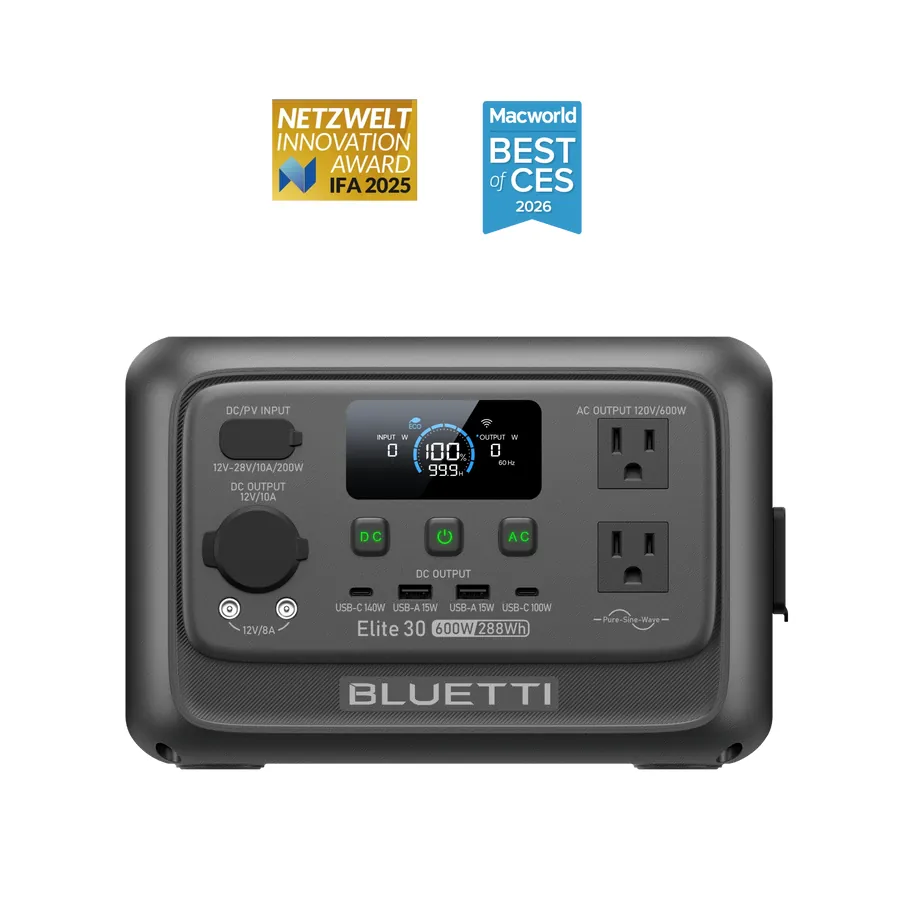
BLUETTI Elite 30 V2 Portable Power Station
A small LiFePO4 station with 288 Wh of stated capacity, 600 W of stated AC output, and a 4.3 kg stated weight. It is the compact option for modest loads, not a whole-room backup box.
USD $299 shown on the official product page at check date
Best for
Phones, routers, laptops, CPAP planning, and other low-watt essentials where light carry and a short backup window matter.
Watch for
Large heaters, high-draw cooking, pumps, or any plan that needs a long runtime from a small battery.
Manufacturer-stated capacity288 Wh
Manufacturer-stated AC output600 W
Manufacturer-stated resistive load liftUp to 1500 W for qualifying resistive loads
Manufacturer capacity
288 Wh
Manufacturer output
600 W continuous
Startup evidence
Manual check required
Why shortlisted: Shortlist for a carry-often, low-watt plan when the calculated required nominal capacity is at most 288 Wh and running watts are at most 600 W. Startup watts require a manual check because no manufacturer-stated surge value is recorded here.
Not screened yetEnter the load and time above to apply the visible rules.
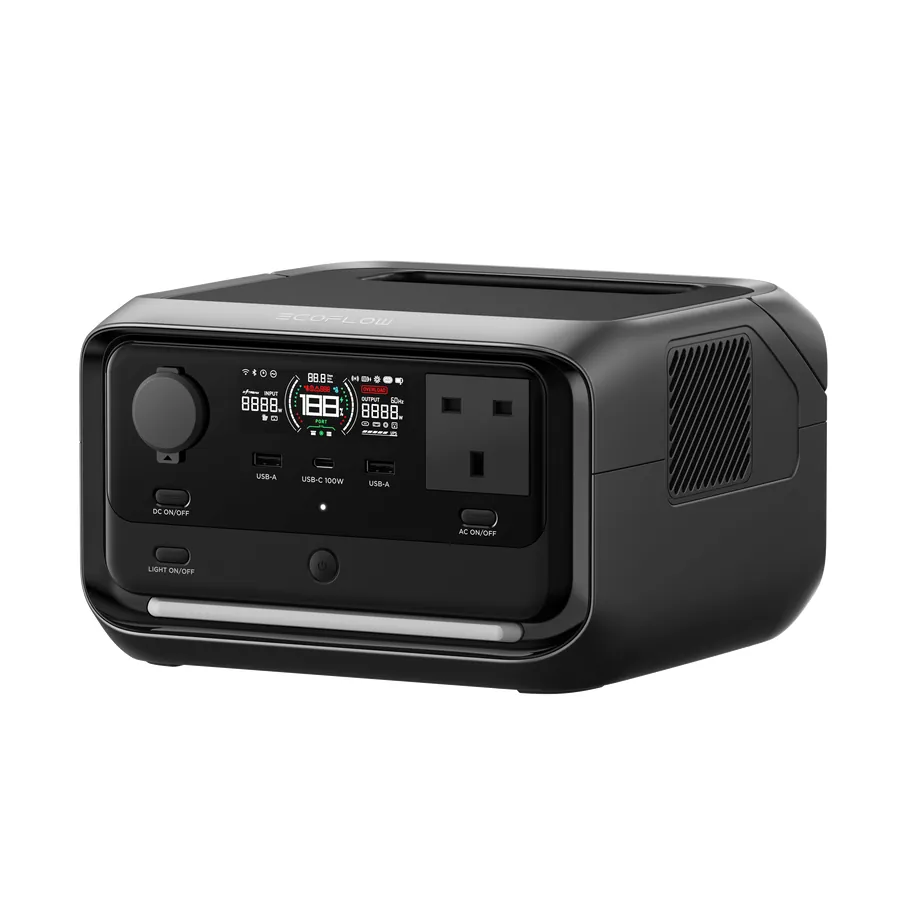
A compact LFP station with 286 Wh of stated capacity, 600 W of stated output, and optional expansion to a stated 858 Wh. The official page showed mixed purchase-state controls on the checked variant, so availability needs a fresh check.
USD $269 shown on the official page at check date; the page also displayed sold-out or pre-order controls for selected states
Best for
A compact router, laptop, phone, camera, or other low-to-moderate load where a little expansion and fast recharge are useful.
Watch for
A guaranteed medical backup, large heating or cooking loads, or any decision that assumes every page variant is immediately in stock.
Manufacturer-stated capacity286 Wh
Manufacturer-stated AC output600 W total output, with 1200 W surge and X-Boost behavior stated by EcoFlow
Manufacturer-stated USB-C output100 W
Manufacturer capacity
286 Wh
Manufacturer output
600 W continuous
Startup evidence
1200 W stated
Why shortlisted: Shortlist for a compact plan when the calculated required nominal capacity is at most 286 Wh and running watts are at most 600 W. Startup watts can be compared with EcoFlow's stated 1200 W surge or X-Boost figure, but the exact device still needs a manual check.
Not screened yetEnter the load and time above to apply the visible rules.
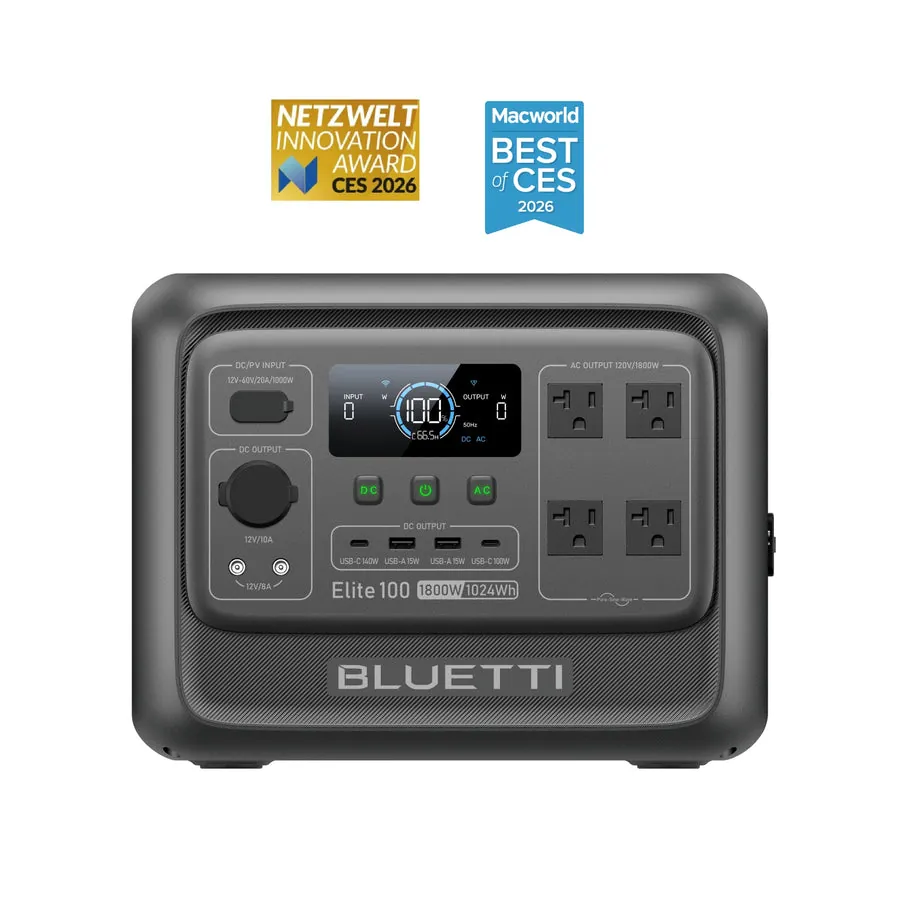
A 1 kWh class station with 1,024 Wh of stated capacity, 1,800 W of stated output, and a stated 25 lb weight. It is the middle choice when compact capacity is too tight but a 2 kWh box is more than the plan needs.
USD $499 shown on the official product page at check date
Best for
A broader apartment, home-office, CPAP, fridge-support, or camping plan that needs more output and energy than a compact station.
Watch for
A full-home backup circuit, a permanently installed system, or any load whose startup behavior has not been measured.
Manufacturer-stated capacity1,024 Wh
Manufacturer-stated AC output1,800 W total output at 120 V
Manufacturer-stated solar input1,000 W, 12-60 V and 20 A
Manufacturer capacity
1024 Wh
Manufacturer output
1800 W continuous
Startup evidence
Manual check required
Why shortlisted: Shortlist for a middle-class plan when the calculated required nominal capacity is at most 1024 Wh and running watts are at most 1800 W. Startup watts require a manual check because no manufacturer-stated surge value is recorded here.
Not screened yetEnter the load and time above to apply the visible rules.
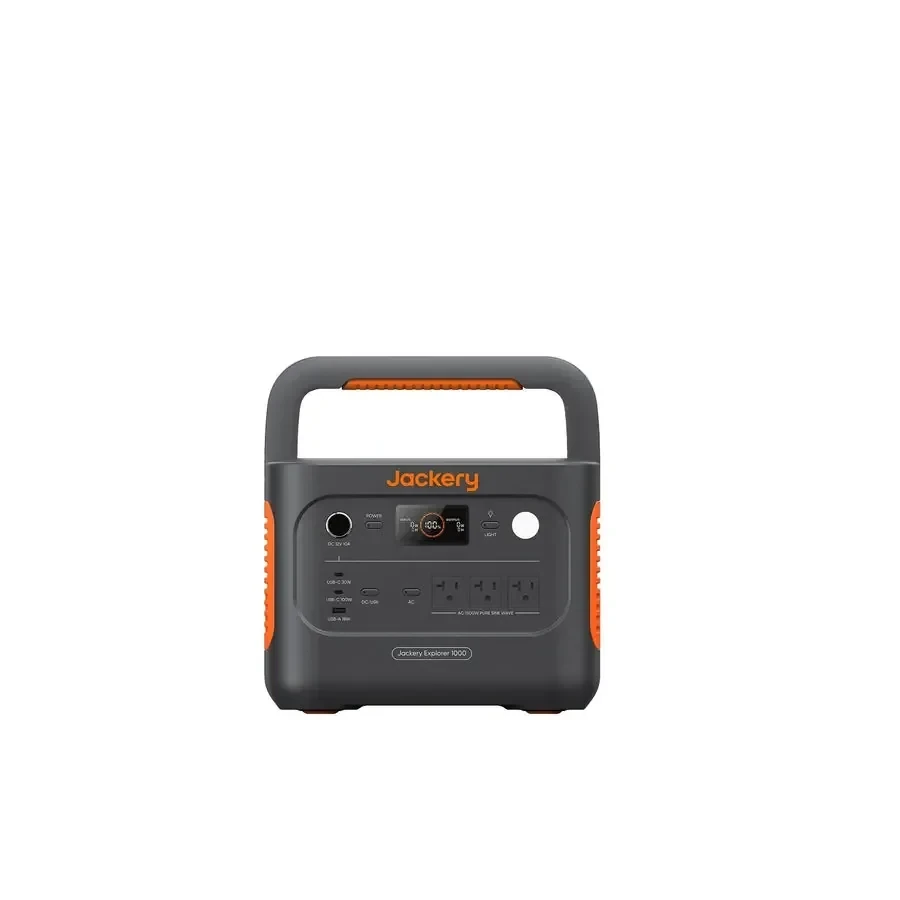
A 1,070 Wh stated LFP station with 1,500 W rated output, 3,000 W stated surge, and a stated 23.8 lb weight. Jackery's current support page also states 20 ms UPS behavior, no expansion, and no water or dust protection.
USD $489 shown for the Black option on the official product page at check date
Best for
Camping, road trips, laptop work, low-to-moderate essential loads, and buyers who want a 1 kWh class station without expansion.
Watch for
A data-server or workstation UPS, wet or dusty environments, a full-home backup, or a plan that depends on adding batteries later.
Manufacturer-stated capacity1,070 Wh
Manufacturer-stated AC output1,500 W rated output and 3,000 W surge
Manufacturer-stated solar inputUp to 400 W with dual-input charging
Manufacturer capacity
1070 Wh
Manufacturer output
1500 W continuous
Startup evidence
3000 W stated
Why shortlisted: Shortlist for a 1 kWh class plan when the calculated required nominal capacity is at most 1070 Wh and running watts are at most 1500 W. Startup watts can be compared with the stated 3000 W surge figure, but Jackery's support page still limits the UPS use case and the exact device needs checking.
Not screened yetEnter the load and time above to apply the visible rules.
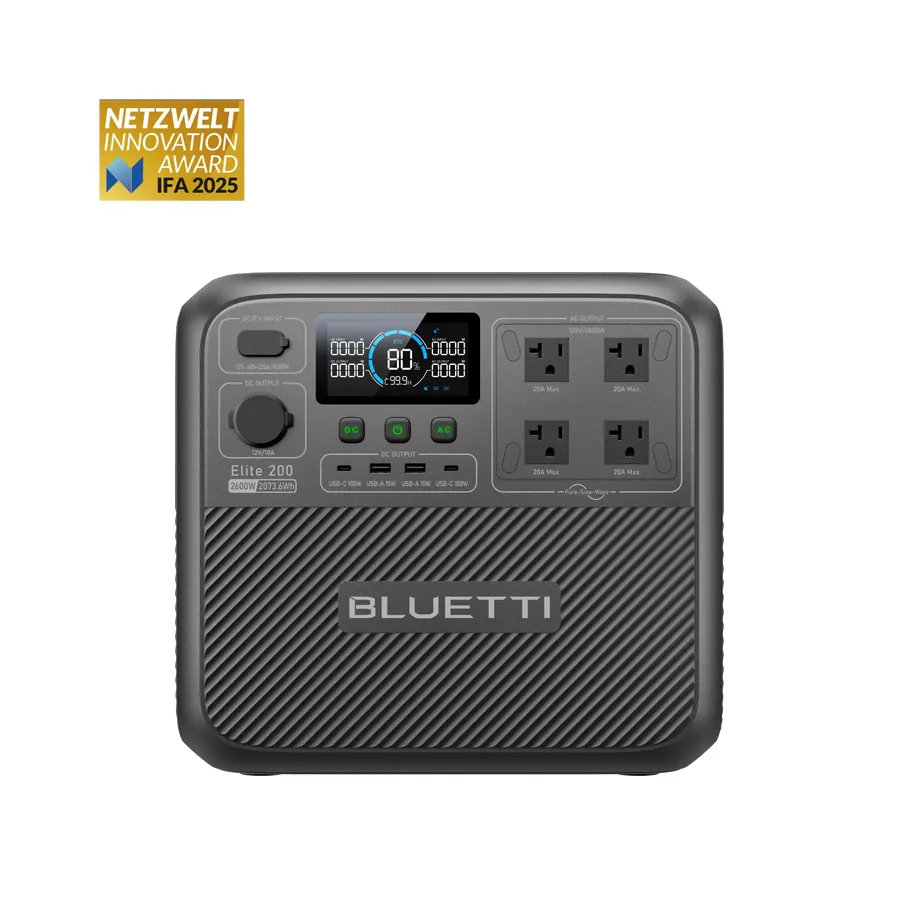
A 2 kWh class station with 2,073.6 Wh of stated capacity, 2,600 W of stated AC output, and a stated 53.4 lb weight. It provides more headroom, but its size makes the use case and handling plan important.
USD $899 shown on the official product page at check date
Best for
A larger outage, off-grid shed, worksite, or mixed essential-load plan where 2 kWh class capacity and higher output headroom matter.
Watch for
Frequent stair carry, a permanently wired home transfer system, or a runtime claim that ignores the actual duty cycle of a fridge, pump, or heater.
Manufacturer-stated capacity2,073.6 Wh
Manufacturer-stated AC output2,600 W
Manufacturer-stated resistive load liftUp to 3,900 W for qualifying pure resistive loads
Manufacturer capacity
2073.6 Wh
Manufacturer output
2600 W continuous
Startup evidence
Manual check required
Why shortlisted: Shortlist for a mostly stationary, higher-load plan when the calculated required nominal capacity is at most 2073.6 Wh and running watts are at most 2600 W. Startup watts require a manual check because the published 3900 W figure is load-lift behavior, not a general surge rating.
Not screened yetEnter the load and time above to apply the visible rules.
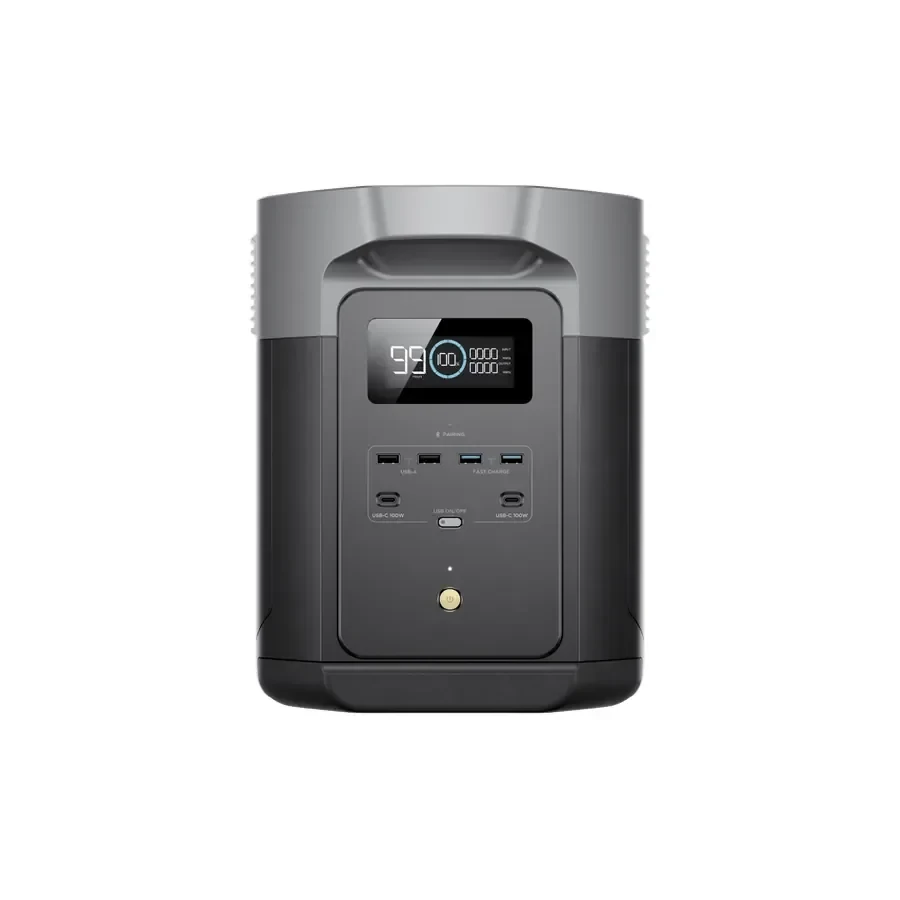
A 2,048 Wh stated LFP station with 2,400 W stated output, 1,000 W stated solar input, and support for up to two extra batteries. The current official pages showed different selected-variant price states, so the product and manual are useful evidence but the checkout state must be rechecked.
USD $949 shown on the official US collection page at check date; selected variants and availability can differ
Best for
A larger home, shed, RV, or worksite plan that benefits from 2 kWh class capacity, high AC output, solar input, and extra-battery expansion.
Watch for
A permanent home backup installation, a zero-interruption UPS requirement, or a purchase decision made from a single variant price without checking the current page.
Manufacturer-stated capacity2,048 Wh
Manufacturer-stated AC output2,400 W total output and 4,800 W surge
Manufacturer-stated X-Boost behaviorUp to 3,400 W for supported US and Canada loads
Manufacturer capacity
2048 Wh
Manufacturer output
2400 W continuous
Startup evidence
4800 W stated
Why shortlisted: Shortlist for a mostly stationary, higher-load plan when the calculated required nominal capacity is at most 2048 Wh and running watts are at most 2400 W. Startup watts can be compared with the stated 4800 W surge figure, while the manual's EPS timing and X-Boost limits still need checking for the exact device.
Not screened yetEnter the load and time above to apply the visible rules.
Learn how to read portable power station specifications. Verify the governing limit, exact product instructions, and when professional help is required.
Product facts and prices are dated observations from official manufacturer pages or manuals. Recheck the exact model and current terms before relying on any station.